

Case Study: Left Achilles Tenosynovitis Successfully Managed with Physiotherapy
Presenting Complaint
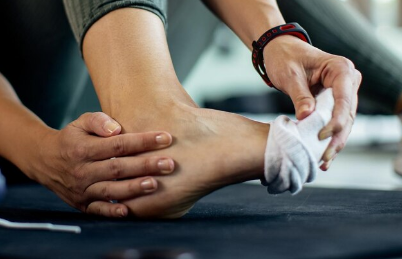
The client attended the physiotherapy service reporting moderate pain in the left Achilles tendon that had developed gradually over time. The symptoms were exacerbated by walking and extended periods of weight-bearing activity, impacting daily comfort and overall mobility.
Assessment Findings
A comprehensive biomechanical assessment revealed significant thickening of the left Achilles tendon compared to the right side. Strength testing demonstrated strong left calf and hamstring muscles; however, both muscle groups showed notable tightness during length-tension testing.
Based on the clinical findings, the client was diagnosed with left Achilles tenosynovitis, a condition involving inflammation of the tendon sheath surrounding the Achilles tendon. The injury was believed to have developed as a result of chronic overuse and repetitive loading of the Achilles complex.
Treatment Approach
The initial phase of treatment focused on reducing factors that were contributing to ongoing irritation of the tendon. These included:
- Excessive toe-walking mechanics
- Prolonged standing periods
- Repetitive overloading of the Achilles tendon
To address the underlying biomechanical drivers, a progressive strengthening programme was prescribed to improve force distribution throughout the left lower extremity. The goal was to reduce excessive stress on the Achilles tendon by improving the function of surrounding muscles and joints.
Alongside the home exercise programme, in-clinic treatment included:
- Manual therapy
- Calf muscle stretching
- Shockwave therapy
- Electroacupuncture
- Laser therapy
These interventions were used to reduce muscle tension, improve tissue healing, and manage inflammation.
Outcome
The client reported significant improvements in pain levels, walking tolerance, and overall function. Due to the chronic nature of the condition, occasional flare-ups still occur. As a result, the client continues to receive maintenance physiotherapy sessions and periodic adjustments to the rehabilitation programme to help manage symptoms and prevent recurrence.
This case highlights the importance of combining biomechanical correction, targeted strengthening, and evidence-based physiotherapy treatments when managing chronic Achilles tendon conditions.