

7 Ways to Relieve Pain Under Foot and Stop Discomfort When Walking
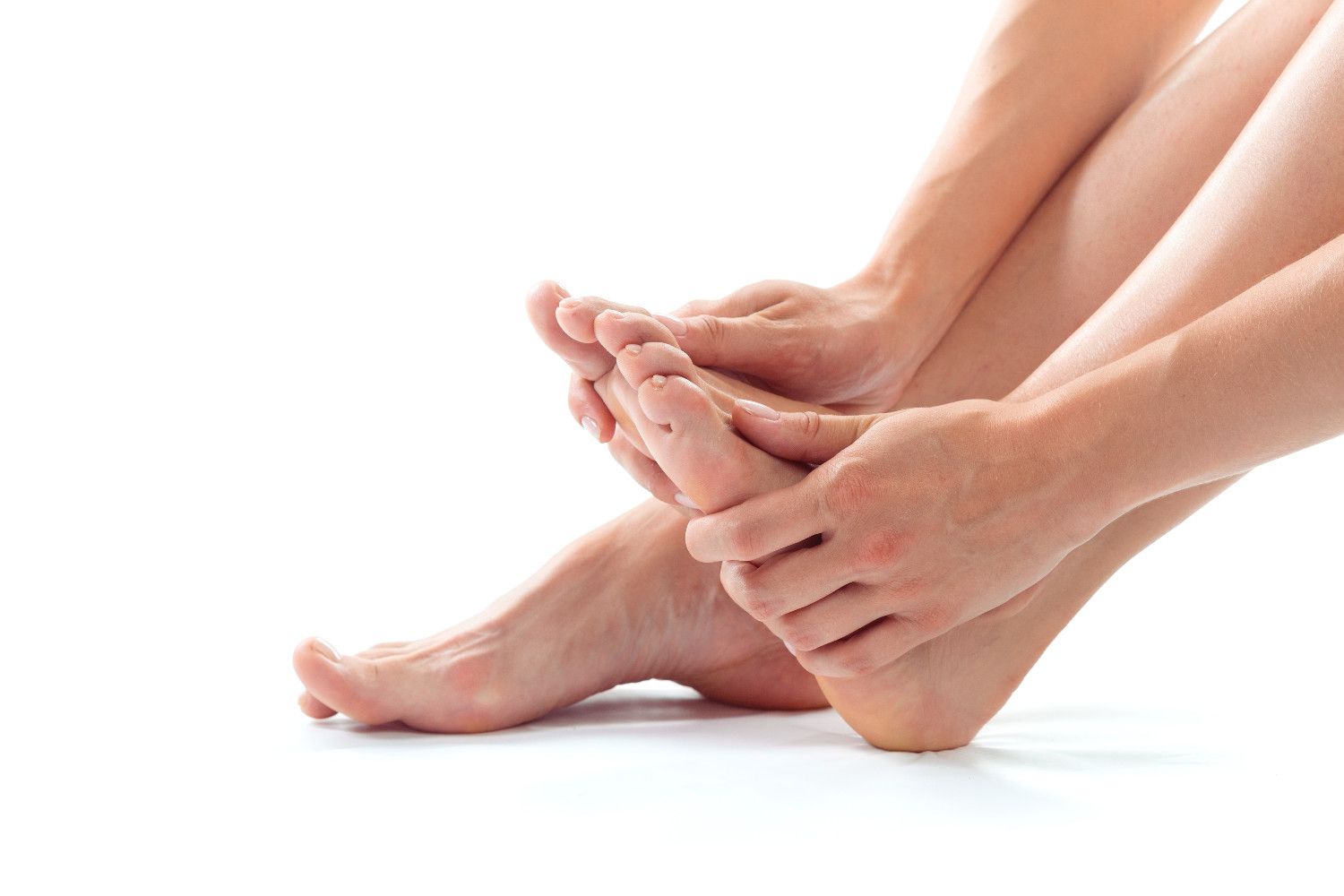
Pain under the foot is an issue that can develop quietly, eventually affecting your ability to stand, walk, and sleep. It might feel like a sharp ache when you take your first steps in the morning or a dull soreness that worsens throughout the day. Pain under the foot is a common complaint.
For many, this discomfort shows up as foot pain when walking, especially after standing for a long time, exercising, or wearing shoes that don’t provide support. Others may experience sudden foot pain without any injury, leaving them puzzled about what caused it. Knowing why the bottom of the feet hurt and how to address it promptly can help prevent chronic pain and long-term mobility problems.
In this blog, we’ll explain why pain in the bottom of the foot happens, what makes it worse, and, most importantly, how to relieve that pain using effective strategies.
Understanding Pain Under the Foot
Pain under the foot often occurs when the tissues supporting your arches and heel are overloaded or irritated. The bottom of the foot has thick connective tissue, small stabilizing muscles, and nerves that absorb impact with each step. When these structures face repeated stress, pain on the bottom of the foot during walking can become hard to ignore.
Common triggers for this pain include long hours spent on hard floors, sudden increases in activity, unsupportive footwear, and limited mobility in the ankle and calf. Some people wonder, “Why does the bottom of my foot hurt when I put pressure on it?” The answer usually relates to how force is distributed through the foot and whether your body is compensating for weaknesses or stiffness elsewhere. Many people choose to explore professional rehabilitation services to help identify and treat their symptoms.
1. Reduce Load and Modify Daily Activity
A crucial step in easing pain under the foot is temporarily cutting back on activities that worsen it. Pushing through discomfort, especially foot pain while walking, can turn minor tissue irritations into more severe issues.
This doesn’t mean complete rest. Instead, focus on limiting high-impact activities like running, standing for long stretches, or going barefoot on hard surfaces. Shortening walks, breaking up standing time, and choosing softer surfaces can significantly lessen symptoms. This is especially important if you experience sudden foot pain without an injury, as it often signals tissue overload rather than trauma. For repetitive tissue overload injuries, it may also be beneficial to complete a walking or running gait analysis to best structure the treatment plan.
2. Improve Footwear Support
Shoes play a significant role in whether the bottom of your feet hurt by the end of the day. Shoes lacking arch support, cushioning, or stability can increase strain on the plantar structures, resulting in persistent pain.
Supportive footwear should offer:
- Firm heel support
- Adequate arch contour
- Shock absorption
- Enough room in the toe box
Many people notice an immediate improvement in foot pain when walking simply by switching to supportive shoes instead of focusing on style.
.jpg)
3. Stretch the Plantar Fascia and Calves
Tight calf muscles and stiffness in the plantar fascia often lead to pain under the foot, particularly first thing in the morning. Stretching improves tissue elasticity and reduces tension in the sole of the foot.
Gentle calf stretches, towel stretches, and rolling the plantar fascia can help alleviate discomfort and increase walking tolerance. These stretches are especially beneficial if you notice foot pain after periods of rest or sitting for too long. Consistency is more important than intensity; short, daily stretching sessions are more effective than infrequent, intense stretching.
4. Strengthen the Foot and Ankle Muscles
Weak intrinsic foot muscles can place extra strain on passive tissues, causing pain under the foot over time. Strengthening these muscles helps distribute load more evenly while walking and standing.
Exercises like toe curls, short-foot exercises, and controlled heel raises improve stability and lessen repetitive stress. Strength training is especially important for those who feel pain in the bottom of the foot after long days on their feet. Targeted strengthening can also reduce the chances of symptoms returning once improvement occurs.
5. Manage Inflammation and Tissue Irritation
When tissues are irritated, swelling can increase sensitivity and worsen pain under the foot. Ice therapy, gentle self-massage, and proper recovery time can help soothe irritated areas.
Rolling the foot over a massage ball or frozen water bottle is a simple and effective method to decrease soreness. Many also benefit from professional care such as rehabilitation services, which address both symptoms and underlying biomechanical issues.
.jpg)
6. Address Biomechanics and Walking Patterns
Sometimes, the real reason for pain in the bottom of the feet is less about the foot itself and more about how the whole lower body moves. Poor ankle mobility, weak hips, or altered walking mechanics can place extra stress on the bottom of the foot.
A gait assessment can help identify why pain on the bottom of the foot during walking keeps coming back despite rest or stretching. Working with a foot care specialist or physiotherapist can reveal subtle movement issues that may not be obvious to you.
7. Know When to Seek Professional Care
If pain under the foot lasts more than a few weeks, worsens over time, or interferes with your daily activities, getting a professional assessment by a foot care specialist is crucial. Ignoring symptoms can lead to chronic pain that is harder to treat.
A clinician can determine whether your symptoms relate to plantar fascia strain, nerve irritation, fat pad issues, or something else entirely. Education, manual therapy, and tailored treatment plans are often key to finding lasting relief. For preventive strategies, we also have some helpful foot care tips for people who spend long hours on their feet.
Conclusion
Pain under the foot can disrupt daily life, limit activities, and make walking uncomfortable, but it doesn’t have to be permanent. By addressing footwear, mobility, strength, and movement patterns, most people can greatly reduce pain in the bottom of the foot and regain confidence with each step.
If you’re facing ongoing foot pain while walking, the team at Rehab8 can help you identify the cause and guide you toward lasting relief. Explore our services to take the next step toward pain-free movement and healthier feet.
FAQ
Why does the bottom of my foot hurt when I put pressure on it?
- Pressure-related pain usually comes from irritated soft tissues, reduced cushioning, or inflammation in the plantar structures. Poor footwear and repetitive loading are common causes.
Can sudden foot pain occur without injury?
- Yes. Sudden foot pain without an injury often results from overuse, changes in footwear, or increased activity levels rather than a specific incident.
How long does it take to relieve pain on the bottom of the foot?
- Mild cases may improve within a few weeks with proper care, while more persistent cases might need professional treatment and strengthening programs.
Is walking bad when my foot hurts?
- Walking isn’t always harmful, but pushing through pain without adjusting your load can slow recovery. Listening to your body is essential.
